Categories
From the pages of history: Wilhelm Granzow - the creator of Ustka's coat of arms.
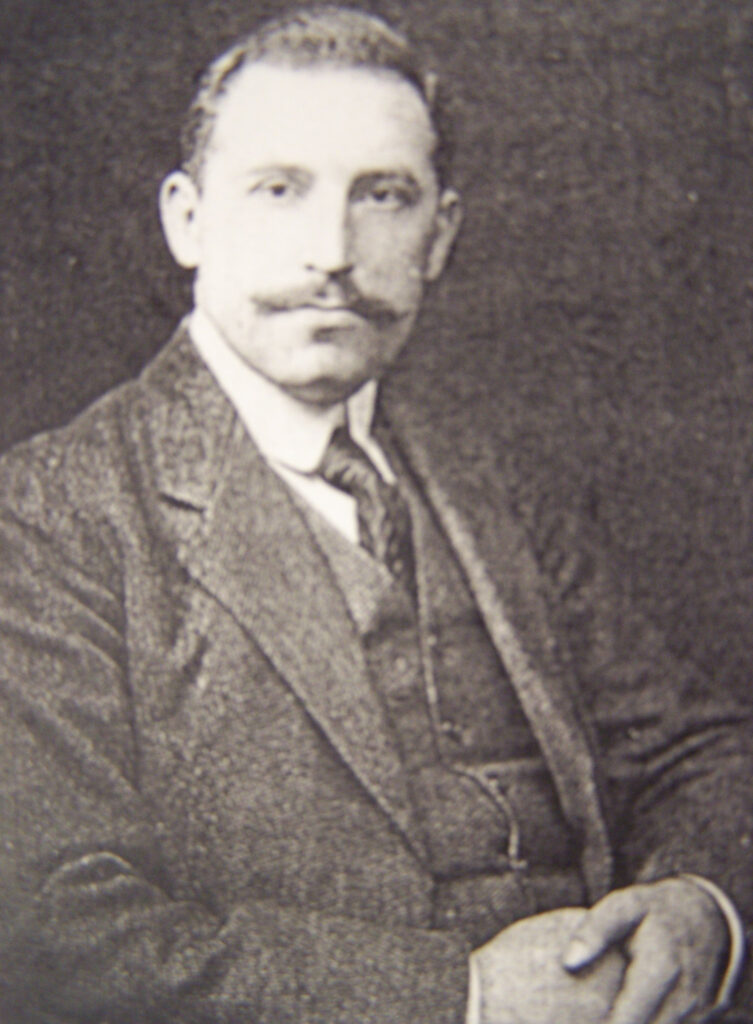
Although Ustka today is mainly associated with wide beaches, elegant villas and recreation on the Baltic Sea, the history of this seaside resort hides many fascinating threads. One of them is the unique figure of the painter who created Ustka's coat of arms - Wilhelm Granzow. This somewhat forgotten artist today, who came from nearby Duninowo, has permanently inscribed in the history of the city. Today we bring you up to date on his remarkable story.
Wilhelm Granzow - an artist from Duninowo and his way to Ustka
Wilhelm Granzow was born in 1885 in Duninowo (German: Pamplin), to a peasant family. From an early age he betrayed exceptional artistic abilities. They were noticed by a teacher from the local school, Kannenberg, who introduced his works to the heir of the nearby Zaleski palace, von Below. Thanks to his help and the support of influential patrons such as Finance Minister Dr. Jung and Professor Ewald, young Wilhelm was given the chance to pursue an art education in Berlin.
He studied at the Academy of Fine Arts and took artistic trips around Europe - he visited Venice and Paris, among other places. After the difficult experience of World War I, which he survived as a soldier in the German army, Granzow settled in Ustka. He took up painting - he created landscapes and portraits. However, it was not the paintings that brought him the greatest fame.
The creation of Ustka's coat of arms - the history of the symbol with the mermaid and the salmon
In 1922 Wilhelm Granzow designed Ustka's coat of arms, which was initially placed on the shield of the "Dying Warrior" monument by Joseph Thorak. The monument commemorated the city's residents killed in World War I and stood in the center of Ustka. A year later - on April 13, 1924 - the coat of arms was officially approved by the Prussian Ministry of the Interior.
The coat of arms depicts a mermaid hovering over the waves of the sea, holding in her hand a plump salmon - a fish that was a specialty of the region at the time. In the background is a three-masted sailing ship with the inscription "STO" (an abbreviation of Stolpmünde - the former German name for Ustka), and between the mermaid and the ship are spread fishing nets. Each of these elements symbolizes the key areas of the city: sailing, fishing and the bathing function.

Controversy and symbolism - did the mermaid bring bad luck?
Although today the coat of arms with a mermaid is one of the most recognizable symbols of Ustka, at the time its symbolism was controversial. Instead of the previous parish seal with a tower and torches, indicating spiritual light and ecclesiastical protection, there was a mermaid - in tradition identified with sea demons. Some historians say Granzow was unaware of the negative overtones of this figure.
Legend has it that after the approval of the coat of arms with the "busted maiden with salmon", the painter's fortunes turned. In the 1930s, he lost many of his principals - mostly German Jews who emigrated from the country. During World War II, fleeing from the Red Army, he tried to get to West Germany by ship with his life companion. Unfortunately, on the open sea, during an anti-aircraft alert, they both perished - swallowed up by the Baltic Sea.
Wilhelm Granzow - a legacy that lives on today
Although Wilhelm Granzow died tragically in 1945, his work has survived. The coat of arms he designed more than a century ago, despite modifications, still appears on Ustka's promotional materials, souvenirs and city documents. It has become not only a graphic symbol of the city, but also an element of its cultural identity.
For us, the hosts of Villa Red in Ustka, the history of Granzow is an important part of local heritage. We are proud to operate in a place so rich in history, where art and passion create a unique atmosphere. It is this unique character of Ustka that attracts our guests - those seeking not only a luxurious vacation, but also inspiration and authentic experiences.
A story that inspires
Wilhelm Granzow was an uncommon figure - an artist, traveler and local patriot, who is forever inscribed in the history of Ustka. His coat of arms is not just a graphic sign, but a story about the seaside town, its traditions and transformations.
If you want to feel the atmosphere of this remarkable history, visit Villa Red - a place where modern comfort meets the spirit of the past.
Accommodation in Ustka with a view of the sea
Looking for a hotel in Ustka? Book your stay at our Villa Red guesthouse with sea view!
Frequently Asked Questions (FAQ)
Who was Wilhelm Granzow and where did he come from?
Wilhelm Granzow was born in 1885 in Duninov as a member of a peasant family. Thanks to the support of local patrons - including Finance Minister Dr. Jung and Professor Ewald - he was given the opportunity for an art education in Berlin, which began his creative path.
What made Granzow special to Ustka?
Granzow painted Ustka's coat of arms in 1922 - urban symbolism including a mermaid with a salmon, nets and a sailing ship. In 1924 it was officially approved by the Prussian Ministry of the Interior, becoming a permanent mark of the city.
What does the coat of arms of Ustka represent and what is its significance?
The coat of arms shows a mermaid with a large salmon - a symbol of fishing - and nets and a sailing ship with the inscription "STO" (Stolpmünde, the former name of Ustka). Each of these elements emphasizes the fundamentals of the local economy: fishing, sailing and the function of the resort.
Was the image of the mermaid in the coat of arms controversial?
Yes. Initially, the mermaid, associated with water demons, caused concern among the locals. It has been suggested that this controversial depiction affected the artist's decline - he lost many of his commissions in the 1930s.
Other entries

Intimacy in practice – what is it like to stay in a boutique villa when the city slows down?

Autumn at the seaside - why visit Ustka after the season?
Breathe in full - the spa power of Ustka